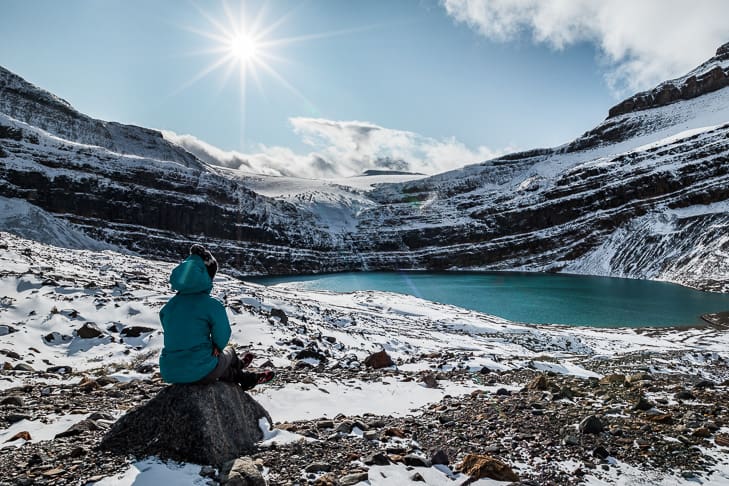
Nestled within the breathtaking Banff National Park, the journey to Bow Glacier Falls and Iceberg Lake offers an unparalleled alpine adventure. While the majestic Bow Glacier Falls itself is a popular and relatively accessible hike, the subsequent scramble to the ethereal Iceberg Lake presents a more formidable challenge, requiring significant outdoor experience and a keen awareness of environmental risks. This guide delves into the unique beauty, the inherent weather dangers, and the specific insights needed to tackle the demanding scramble to Iceberg Lake, ensuring you're prepared for an unforgettable, yet safe, exploration of this stunning Bow Glacier Falls Iceberg Lake in Banff National Park gem.
The Allure of Bow Glacier Falls and the Gateway to Iceberg Lake
The adventure begins along the scenic Icefields Parkway, where the shimmering turquoise waters of Bow Lake greet visitors. Dominating the landscape, Bow Glacier Falls can even be spotted in the distance from the road, hinting at the grandeur that awaits. The well-marked trail starts conveniently from the historic Num-Ti-Jah Lodge, perched on the shores of Bow Lake, offering an iconic starting point for what many consider one of Banff's most rewarding hikes.
The hike to Bow Glacier Falls is a marvel in itself. It skirts the edge of Bow Lake, offering continuous, postcard-perfect views of the surrounding peaks and the lake's ever-changing glacial hues. As you leave the lake behind, the path gently winds alongside a stunning glacial creek, its milky blue waters a testament to the ice and rock that feed it. This section provides numerous photo opportunities before culminating at the powerful Bow Glacier Falls, a magnificent cascade plunging down an impressive rock face.
This initial segment, roughly 4-5 hours round trip, is considered moderately difficult and is family-friendly in good weather. It's incredibly popular for a reason, drawing crowds during peak season. However, for those seeking a more profound wilderness experience, Bow Glacier Falls serves as the gateway to the more challenging and rewarding scramble up to Iceberg Lake, a hidden gem nestled higher in the alpine realm. The transition from a well-trodden path to a rugged scramble marks a significant shift in commitment and required skill.
Navigating the Scramble to Iceberg Lake: A Seasonal Challenge
Venturing beyond Bow Glacier Falls to Iceberg Lake transforms a pleasant hike into a true alpine scramble. This demanding ascent requires route-finding skills, comfort with exposure, and the ability to navigate uneven and potentially slippery terrain, often involving loose rock, snow, or ice. The very name "Iceberg Lake" conjures images of pristine, cold waters, and it delivers – but access is dictated by the capricious mountain seasons.
Timing is absolutely critical for the scramble to Iceberg Lake. As experienced adventurers can attest, attempting this in late September, for instance, means dancing with the changing seasons. One day might bring a "first skiff of snow" that dusts the landscape, creating breathtaking, picture-perfect scenery. Yet, this delicate balance can shift dramatically overnight. Just two days later, that charming dusting can transform into significant snowfall, making the route impassable or exceedingly dangerous until the following summer season. Hikers might encounter initial obstacles like natural bridges across creeks, where a thin layer of ice can turn a simple step into a treacherous slide, demanding cautious foot placement and often a careful hand-pull to ascend.
The challenge of the scramble isn't just physical; it's a test of judgment and adaptability. Understanding the nuances of early winter conditions, such as patchy ice and rapidly accumulating snow, is paramount. The reward for this effort, however, is unparalleled: a secluded alpine lake, often with ice floes lingering even in summer, set against a dramatic backdrop of towering peaks and glaciers. It’s a pristine environment that few get to witness, making the preparation and navigation of its seasonal challenges all the more worthwhile.
Understanding Banff's Unpredictable Weather: Risks and Preparation
The Canadian Rockies are renowned for their volatile weather patterns, and the region around Bow Glacier Falls Iceberg Lake in Banff National Park is no exception. A day can begin with brilliant sunshine, morph into blizzard-like conditions, and then clear again, all within a few hours. This extreme variability is not merely an inconvenience; it's a significant hazard that demands utmost respect and thorough preparation from anyone venturing into the high alpine.
The stories of swift changes are cautionary tales. One moment, views are obscured by heavy snow, and the next, the sun bursts through, revealing a snow-kissed landscape. Such rapid shifts can lead to disorientation, hypothermia, and increased avalanche risk in certain conditions. Therefore, advanced preparation isn't just recommended; it's essential. Experienced outdoor enthusiasts stress the importance of not just checking forecasts (ideally from multiple sources, and at different elevations if possible), but also having the experience to interpret those forecasts in a mountain context. For example, a "late scattered showers" forecast can quickly escalate to a serious winter storm at higher elevations.
Key preparations include:
- Layered Clothing: Essential for adapting to rapid temperature and precipitation changes. Include waterproof and windproof outer layers.
- Navigation Tools: GPS, map, and compass are vital, especially when visibility drops. Route-finding skills are non-negotiable for the Iceberg Lake scramble.
- Traction Devices: Microspikes or even lightweight crampons can be critical for navigating icy sections, especially in late season.
- Emergency Kit: First-aid, headlamp, fire starter, shelter (emergency blanket), and extra food/water.
- Turnaround Strategy: Always have a designated point or set of conditions (e.g., worsening weather, running out of daylight, feeling unwell) that will prompt you to turn back, regardless of how close you are to your goal. The mountain will always be there.
While the hike to Bow Glacier Falls is generally safer, the scramble to Iceberg Lake requires a heightened level of readiness. It's crucial to distinguish between a family-friendly walk and an advanced mountain excursion. If you lack the experience or adequate gear, it's always safer to enjoy the majestic Bow Glacier Falls and save the Iceberg Lake scramble for another time when you are better prepared.
Essential Tips for Your Bow Glacier Falls & Iceberg Lake Adventure
To maximize your experience and ensure safety, consider these practical tips for exploring the Bow Glacier Falls Iceberg Lake in Banff National Park area:
- Best Time to Visit: For Bow Glacier Falls, late spring (June) through early fall (early October) offers the best conditions. For the Iceberg Lake scramble, mid-July to early September typically provides the most favorable, snow-free conditions. Be extremely cautious if attempting the scramble outside this window.
- Start Early: Particularly for the Iceberg Lake scramble, an early start is crucial. This allows ample time for the ascent, descent, and unexpected delays, and helps avoid afternoon thunderstorms common in the Rockies. It also helps in managing crowds on the popular Bow Glacier Falls trail.
- Check Trail Conditions: Before heading out, consult Parks Canada for current trail reports, closures, and potential wildlife warnings. Snowpack, ice conditions, and recent animal activity can all impact your plans.
- Physical Fitness: While the hike to Bow Glacier Falls is moderate, the scramble to Iceberg Lake demands a good level of physical fitness, agility, and mental fortitude. It involves sustained uphill climbing over varied and often unstable terrain.
- Stay Hydrated and Fueled: Carry more water and high-energy snacks than you think you'll need. Mountain exertions burn calories rapidly.
- Wildlife Awareness: You are in bear country. Carry bear spray, know how to use it, and make noise on the trail. Give all wildlife a wide berth.
- Leave No Trace: Pack out everything you pack in, stay on established trails (where they exist), and respect the fragile alpine environment. Do not disturb wildlife or natural features.
- Communicate Your Plans: Inform someone reliable about your itinerary, including your route, expected return time, and who to contact if you don't check in.
The journey to Bow Glacier Falls and the subsequent scramble to Iceberg Lake encapsulates the raw beauty and challenging spirit of Banff National Park. From the mesmerizing Bow Lake to the powerful Bow Glacier Falls and the secluded alpine splendor of Iceberg Lake, this adventure promises unforgettable vistas. However, it equally demands respect for the mountain environment, diligent preparation, and a keen awareness of the unpredictable weather and demanding terrain. With the right experience, gear, and mindset, you can safely unlock the secrets of this incredible corner of the Canadian Rockies, creating memories that will last a lifetime.
